
Identifying Hazards Associated with Machinery In The Australian Workplace
Identifying hazards associated with machinery in the Australian workplace is done in many ways including consulting with people, reading documents, and performing inspections. After that, you must apply the highest level of control measure when possible and evaluate the results.
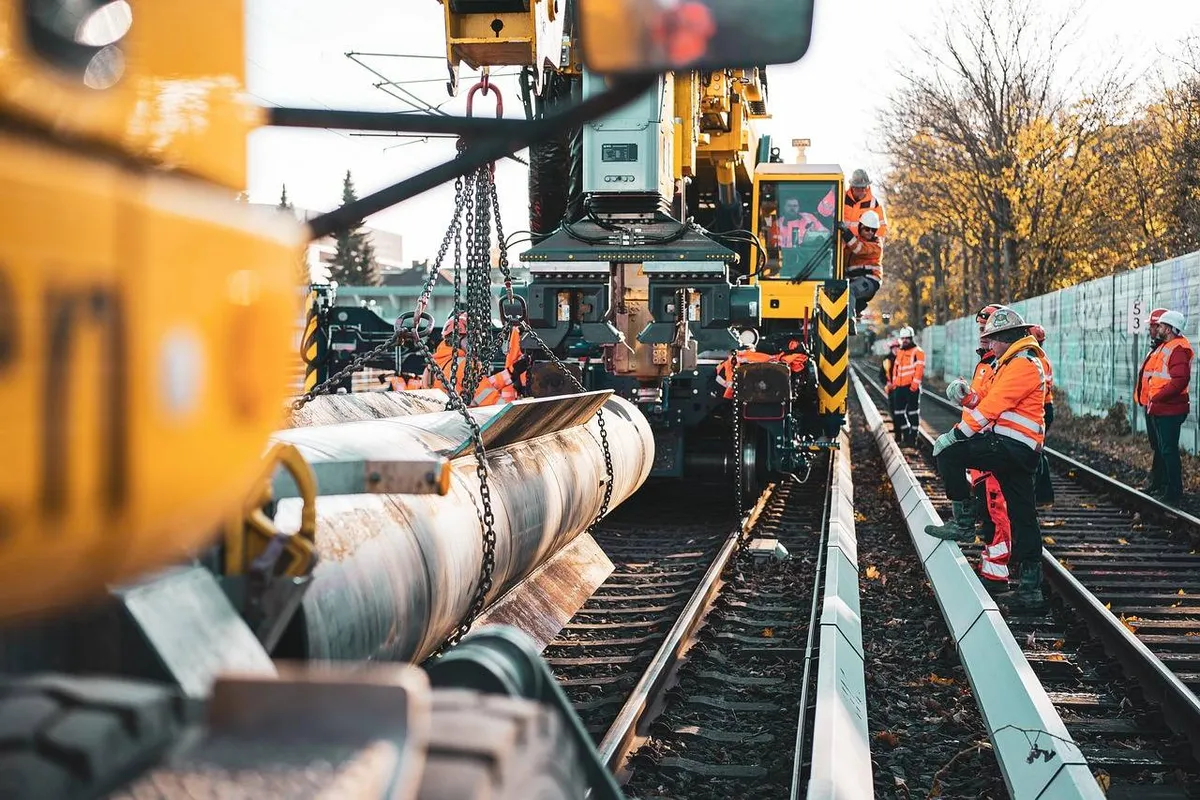
Identifying hazards associated with machinery in the Australian workplace is done in many ways including consulting with people, reading documents, and performing inspections. After that, you must apply the highest level of control measure when possible and evaluate the results.
Key Takeaways:
Your workers, contractors, your local WHS regulator, and a WHS consultant may help you identify the hazards in your business.
Documents related to previous injuries help identify a pattern of workplace risks and recurring hazards.
After identifying the hazards, minimise the risk by applying control measures and evaluating the results.
Ask your Workers and Contractors
Collect data from your workers and contractors about any hazards they may notice. Come up with a list of employees who may be exposed to such.
Review Documents in the Workplace
Reading the following documents may give you information on the causes of incidents, frequency, and severity of injury.
Inspection reports,
Incident reports,
Register of injuries,
Workers' compensation records and reports,
Health and safety committee meetings, and
Job safety analysis reports.
See if you can find a pattern of frequently occurring injuries so you may take action.
Read the Manuals for Equipment and Chemicals
Information from designers, manufacturers, or suppliers of the equipment and substances may be helpful.
Equipment and machinery operating manuals
Safety Data Sheets (SDS) provided by chemical manufacturers
Ask your employees if they are following them properly.
Check the Physical Structure of your Workplace
Regularly inspect the whole area of your workplace to find any physical changes. Damaged stairs, desks, floor surfaces, exits, or driveways may impose a hazard to your workers.
Inspect your Equipment, Machinery, and Vehicle
Ensure that there is no worn equipment or unmaintained machines in the workplace.
Examine the Usage of Chemicals
See how your employees use, store, and move chemicals and verify that they handle them safely.
See if there are Health Hazards at Work
Do the following to see if there are hazards to the different aspects of your employees' health.
Identify activities that may result in skin exposure to chemicals,
Check if your employees are exposed to excessive noise, elevated heat, or sources of radiation,
Determine if there is a chance for your workers to be infected by a disease, molds, toxic or poisonous plants, or animal materials,
Review if there are biological hazards that may cause allergies or occupational asthma,
Consider ergonomic factors (such as heavy lifting, work above shoulder height, and repetitive motions) that may be dangerous to your employees,
Use air sampling or direct reading instruments for quantitative exposure assessments, and / or
Go through your employees' medical records to see if they are more vulnerable to workplace hazards.
Follow workplace privacy when reviewing personnel files.
Investigate Previous Workplace Incidents
Read injury/incident reports, ask the affected employee, and check the involved equipment. In doing this, you may figure out the root cause of previous work incidents.
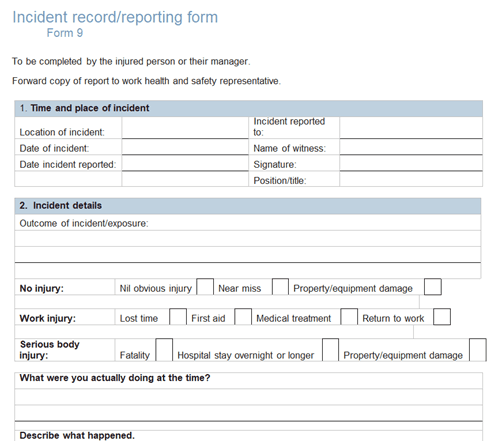
Incident record and reporting form
Consider Hazards from Emergencies and Nonroutine Situations
Learn what could be the plant and machinery hazards when any of the following occurs.
Fires and explosions,
Chemical releases,
Hazardous material spills,
Startups after planned or unplanned equipment shutdowns,
Nonroutine tasks, such as infrequently performed maintenance activities,
Structural collapse,
Disease outbreaks,
Weather emergencies and natural disasters,
Medical emergencies, and
Workplace violence.
You and your workers must be prepared in times of uncertainty to prevent workplace accidents as much as possible.
Seek External Advice
Find additional information from Safework Australia, your local WHS regulator, or a work health and safety consultant. Such authorities may give you a list of common hazards and/or provide third-party inspections of your machinery and equipment.
Apply Control Measures to Minimise the Hazard
After identifying the hazards, aim to minimise the risk by applying at least one of the control measures.
Eliminate the hazard by repairing damaged equipment or outsourcing hazardous processes.
Substitute the hazard by finding a safer alternative
Isolate the hazard by relocating equipment and/or installing barriers
Use engineering controls by using tools and installing guards
Use administrative controls by rotating jobs to reduce the time spent on a single job or training staff in safe work procedures
Personal protective equipment (PPE) usage by your workers
After applying any of these, evaluate the results and see if it led to a lower work accident rate.
Frequently Asked Questions
What are the primary types of machine-related hazards? Safework Australia mentions unguarded moving parts, energised and/or noisy plants, hot surfaces, flames, and liquids
What is the hierarchy of control? It starts with the most effective control method (eliminating the hazard) to the least effective one (usage of PPE).
How to choose the control measure to minimise hazards? Always use the highest-ranked control measures when possible. Only use the lower-ranked ones when you are still finding a more effective way of controlling risk.
Share this article
Get Expert Advice
Speak with a certified WHS consultant about your workplace.
Contact Usor call 1300 891 503