Free Hazardous Chemicals Procedure Template
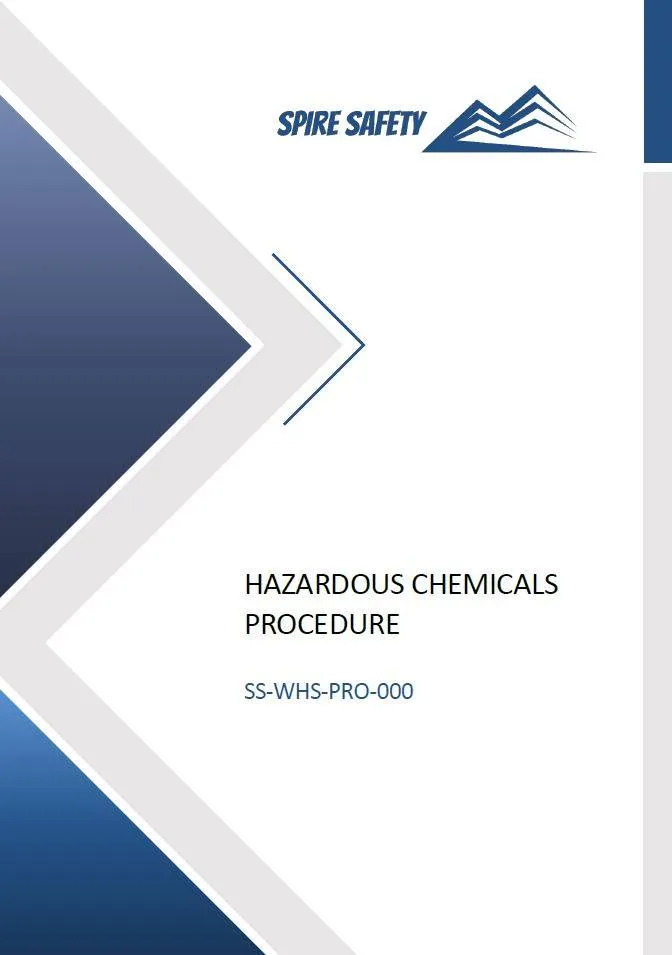
Download our free Hazardous Chemicals Procedure Template. Establishes guidelines for use, handling and storage of hazardous chemicals.
Download Free Hazardous Chemicals Procedure Template
DOCX + PDF
Updated May 2026
No signup required
By downloading you agree to our Free Resources Licensing Agreement.
Download our free Free Hazardous Chemicals Procedure Template:
- Hazardous Chemicals Procedure .doc file (Word Document)
- Hazardous Chemicals Procedure .pdf file (PDF)
*For internal use only. Not for resale or redistribution. By downloading, you agree to our Free Resources Licensing Agreement.
Purpose of Document
A Hazardous Chemicals Procedure establishes guidelines for use, handling and storage of hazardous chemicals. The key objective is to ensure workers are protected from illness and injuries associated with hazardous chemicals. This procedure is broadly aligned with the requirements of AS/NZS 45001:2018.
How to Use
This Hazardous Chemicals Procedure should be saved on your server and continually reviewed / updated. It should also be communicated to new workers as part of their induction or onboarding process. This document is a template only and it must be customised for your business. Other aspects that may need to be considered include, but are not limited to, ensuring that:
- Relevant legal requirements have been met,
- Workplace specific risks are identified and managed, and
- Workers are consulted with during the customisation / review process.
When to Use
As stated above, this document should be made available to your staff and managers via your server, onedrive or intranet. You should also use it during employee inductions or you may wish to refresh your workers on the contents of the procedure periodically as part of a safety meeting or similar forum.
Who Should Use
This procedure should be reviewed and updated by your Safety Advisor, Project Manager or other Manager. Supervisors or managers can use the procedure to communicate the requirements to workers (including new workers).
Legal Considerations
There is no specific legal requirement to have a documented Hazardous Chemicals Procedure. However, it is best practice, especially for larger companies. It can help meet general legal duties, including:
- s(19)(3)d WHS Act – Duty to Ensure Safe Use, Handling and Storage of Substances
- s(346) WHS Regulations – Hazardous Chemicals Register
- s(368) WHS Regulations – Duty to Provide Health Monitoring
FAQ
What is a hazardous substance / hazardous chemical?
Hazardous chemicals refer to substances, mixtures, or articles that pose risks to health and safety. These risks can manifest immediately, causing poisoning or burns, or lead to long-term health conditions
How do I know if a substance or chemical is hazardous?
Section 2 of the Safety Data Sheet (SDS) "Hazard(s) Identification" will usually contain a statement saying whether the substance is classed as hazardous or not. This section of the SDS also outlines the hazards associated with the substance.
What are the four routes of exposure?
The four routes of exposure are:
- Inhalation (breathing)
- Ingestion (swallowing)
- Absorption (skin / eyes)
- Injection
Article Sources and Further Reading
Share this resource
More Like This
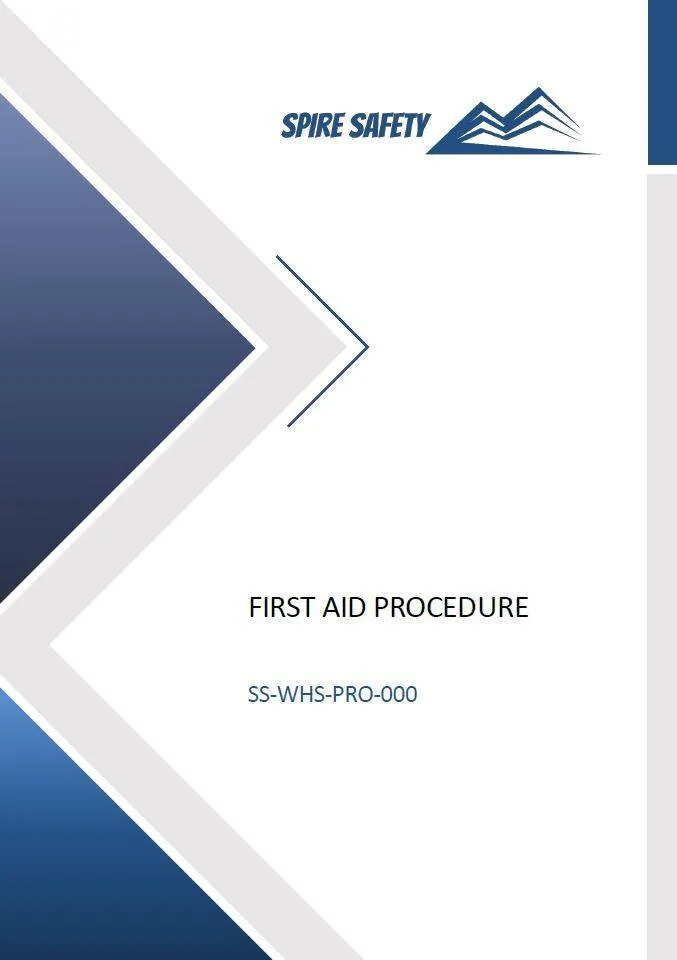
- Free First Aid Procedure TemplateProcedures
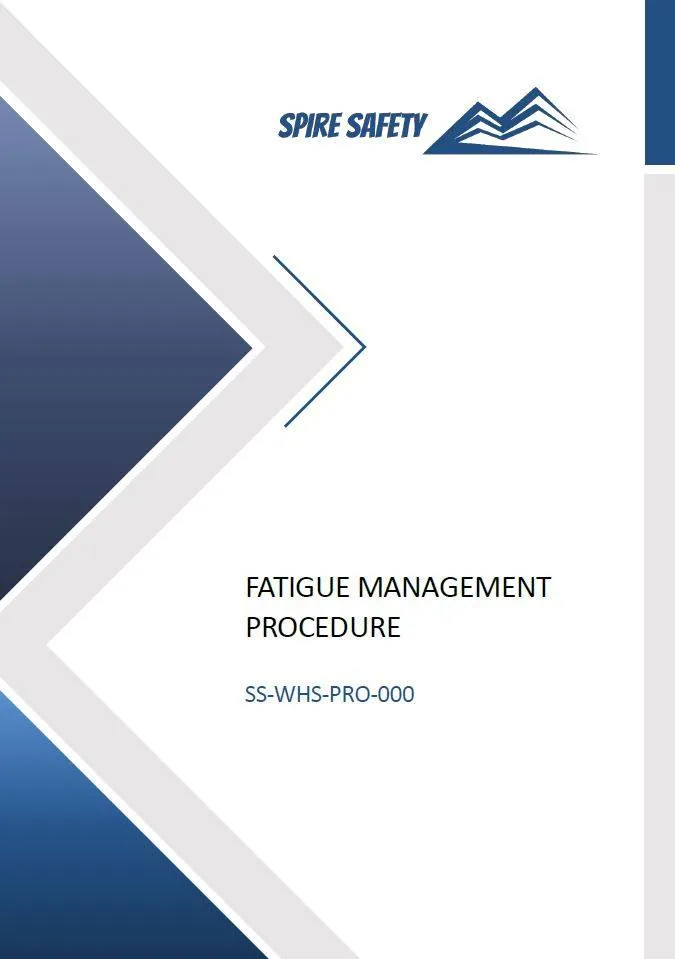
- Free Fatigue Management Procedure TemplateProcedures
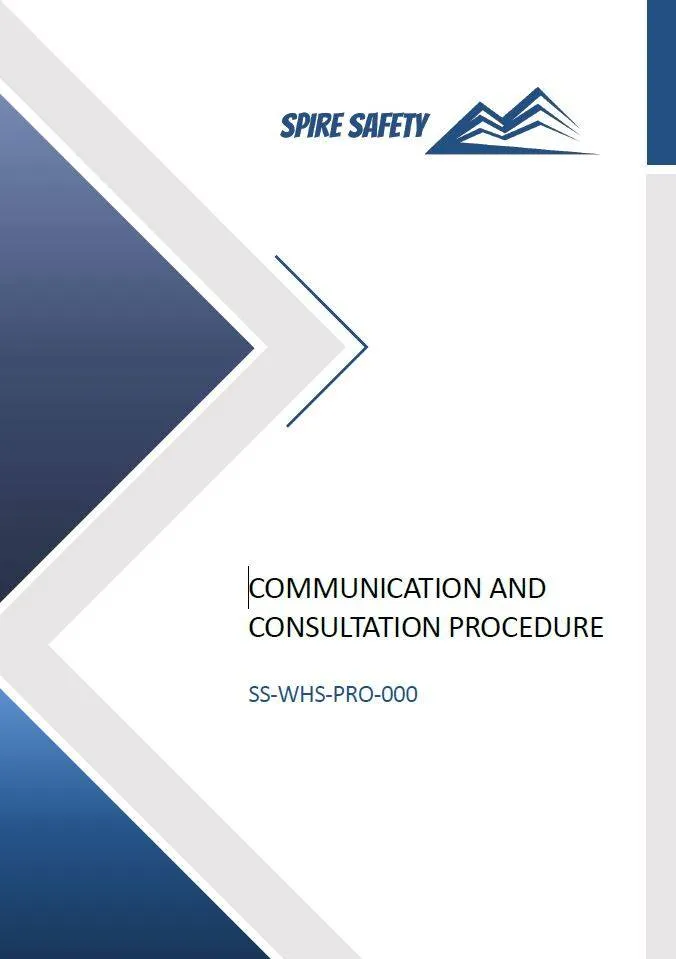
- Free Communication and Consultation Procedure TemplateProcedures
Browse Categories
How To Use It
- 1Download and open in Word or PDF.
- 2Replace the placeholders with your business details.
- 3Get it reviewed by a WHS specialist before rollout.
Need it customised?
Our WHS consultants can adapt this template to your site, run a gap analysis, or audit what you already have in place.
Book a Free Consultation Explore Consultancyor call 1300 156 382