
Steps to Take Following a Workplace Injury In The Australian Workplace
The first step after a workplace injury is ensuring that your worker receives proper medical attention. Then, you may focus on the next things including managing risks, reporting the injury to the authorities, and writing a return-to-work plan.
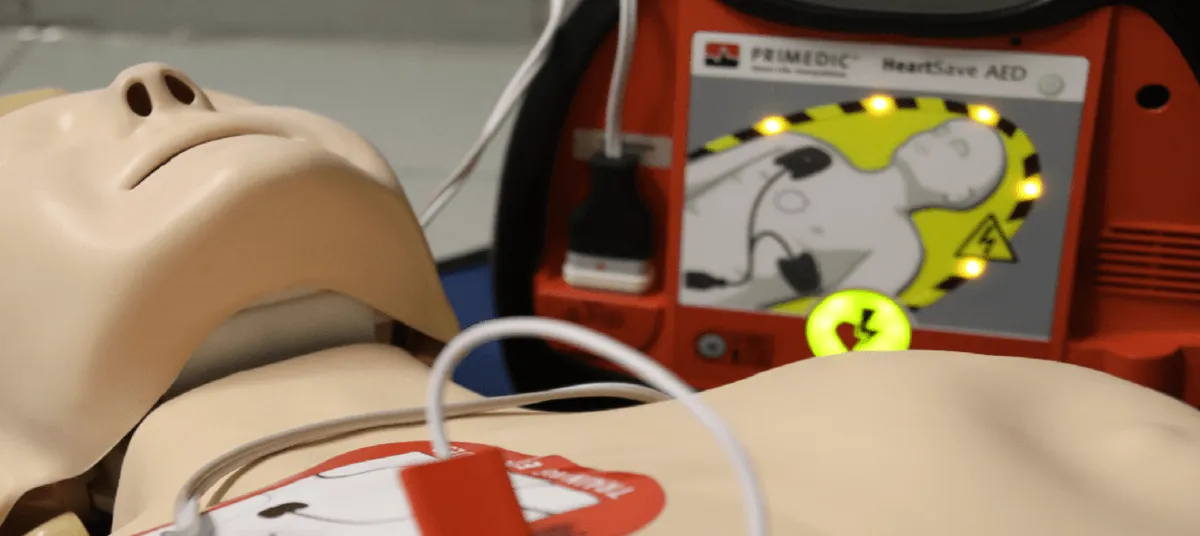
Steps to Take Following a Workplace Injury In The Australian Workplace: The first step after a workplace injury is ensuring that your worker receives proper medical attention. Then, you may focus on the next things including managing risks, reporting the injury to the authorities, and writing a return-to-work plan.
Key Takeaways
- It's essential to contact your injured worker as soon as possible so they feel supported and understand what's going to happen next.
- Following a step-by-step approach to minimising risks may help prevent workplace accidents from happening again.
- Your employee, their doctor, local authorities, and insurer have important roles in the rehabilitation and return-to-work program.
Seek Medical Attention
Have a qualified first aider attend to your employee to apply proper immediate treatments. If required, call an ambulance or advise your worker to see a doctor.
Make Contact with your Worker as Soon as Possible
It's important to talk to your worker as soon as you can to offer support and assistance. Remain positive and avoid blaming them for the accident. Give assurance that you are open to communications and are committed to working together to address their concerns.
Remove Any Potential Hazards
If the hazard that caused the work accident is still onsite, remove it or put warning signs around it so others are aware of the danger.
Manage the Risks
To avoid more workplace injury to happen, minimise the risks by following a step-by-step approach.
- Identify hazards that may harm your employees.
- Perform a risk assessment to identify what may happen if someone is exposed to a hazard and the likelihood of it happening.
- Minimise risks as much as possible by applying control measures.
- Review control measures to make sure they are effective.
Consult with your workers and their health and safety representatives for assistance.
Follow-up with your Worker
Talk to your employee in person, via phone, email, or regular mail. Use the right language and be genuine. Ask them how the injury affects them emotionally, physically, mentally, and socially. Then, help your worker by:
- Assuring them that they have support in the workplace,
- Making sure that they know who and how to contact the right person for support,
- Encouraging them to focus on the next steps, and
- Giving them an information pack so they don't get confused about what to do when returning to work.
It's helpful to express sincere concern and empathy for their situation.
Document the Workplace Injury
Complete an injury report form and document the incident in your register of injuries. Acquire a copy of supporting documents such as your worker's medical certificate, photographs, employee's file, and others.
Notify your Local Workers' Compensation Authority
For legal compliance and support, contact your local authority and inform them about the workplace injury.
| Territory | Local Workers' Compensation Authority | Website | Contact Number |
|---|---|---|---|
| New South Wales | icare (Insurance and Care NSW) State Insurance Regulatory Authority (SIRA) | https://www.icare.nsw.gov.au/ https://www.sira.nsw.gov.au/ | 13 44 22 13 74 72 |
| Victoria | WorkSafe Victoria | https://www.worksafe.vic.gov.au/ | 1800 136 089 |
| Queensland | WorkCover Queensland | https://www.worksafe.qld.gov.au/ | 1300 362 128 |
| South Australia | ReturnToWorkSA | https://www.rtwsa.com/ | 13 18 55 |
| Western Australia | WorkCover WA | https://www.workcover.wa.gov.au/ | 1300 794 744 |
| Tasmania | WorkSafe Tasmania | https://www.worksafe.tas.gov.au/ | 1300 366 322 |
| Northern Territory | NT WorkSafe | https://worksafe.nt.gov.au/ | 1800 019 115 |
| Australian Capital Territory | WorkSafe ACT | https://www.worksafe.act.gov.au/ | 13 22 81 |
Report the Injury to your Insurer
Contact your insurer for injury reporting and compensation processes to start. Coordinate with your employee and let them know about the actions needed on their part. Update them on the progress of the compensation claims and pay them the necessary wages and medical fees.
Regularly Coordinate with your Worker and their Doctor
If you ask a written permission from your employee, you may also coordinate with their treating doctor to get updates about their condition and recovery. Support your injured worker for any additional treatment they need.
Start Planning your Worker's Return to Work
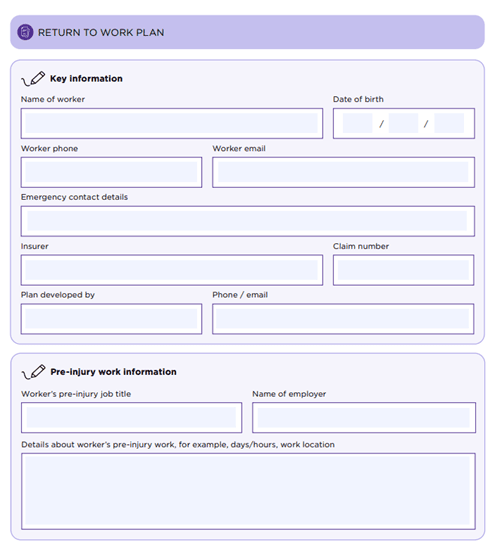
Consult with your employee, their doctor, your local workers' compensation authority, and your insurer to put together a rehabilitation and return to work plan. It outlines how you can all work together to have your employee back to work safely and quickly. Visit the website of SafeWork Australia or contact your local WHS regulator for more information and templates.
Frequently Asked Questions
How long do injuries heal? It depends on the type of injury which may last from 2 weeks to 12 months.
How often should I contact my employee? Check in with them after they are first injured, while they are away from work, as they prepare to return to work, and when they return to work.
What are the common causes of workplace injuries? According to statistics, lifting, pushing, pulling, and bending usually lead to an injury at work.
Share this article
Get Expert Advice
Speak with a certified WHS consultant about your workplace.
Contact Usor call 1300 891 503