
WHS Management System for Tier-2 Commercial Construction in 2026
Tier-2 commercial construction companies need robust WHS management systems to secure tenders and manage complex projects. This guide explores compliance, ISO 45001, and project safety plans.
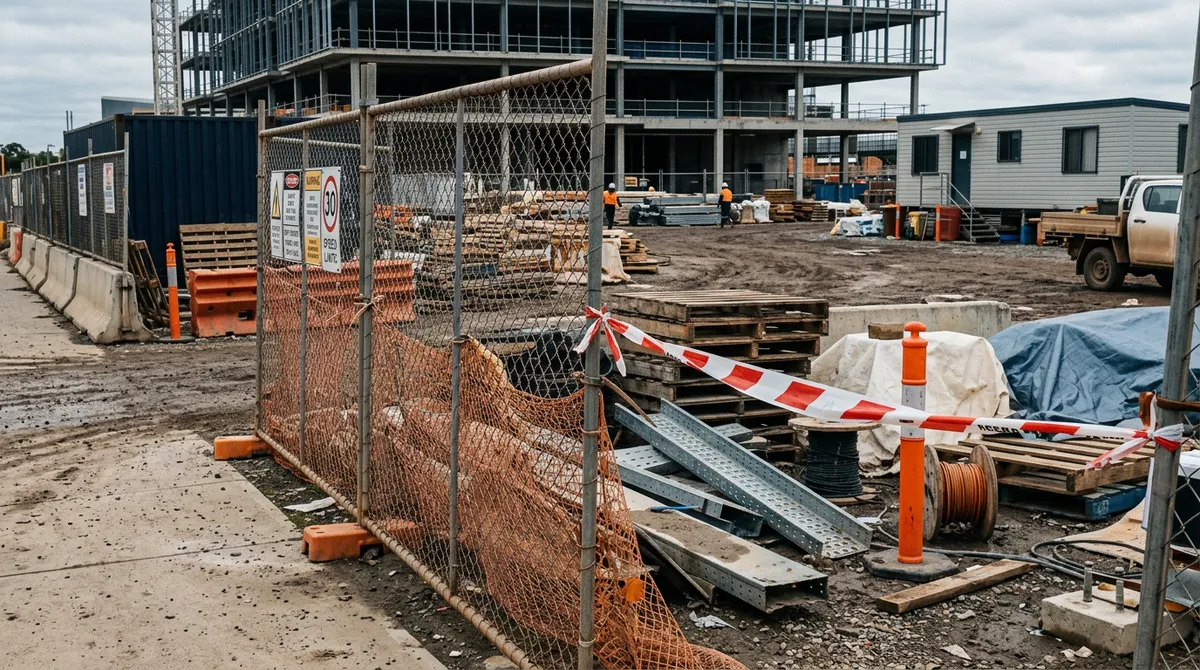
Tier-2 commercial construction companies in Australia occupy a unique position between high-volume residential builders and multinational Tier-1 firms.
They operate as sub-tier delivery partners after pre-qualification but before Tier-1 principal control.
Managing safety at this level requires more than basic paperwork.
The system must be tuned to subcontractor verification, tender compliance and practical site execution.
It demands a robust, integrated framework that satisfies rigorous principal contractor audits while remaining practical for site teams.
A sophisticated WHS management system for tier-2 construction ensures your business remains competitive for government and high-value private tenders.
TLDR
Tier-2 builders require systems that bridge the gap between site-level safety and corporate governance.
ISO 45001 certification is often a mandatory prerequisite for tendering on major commercial projects.
Successful systems focus on managing high-risk subcontractor activities through structured verification.
Digital integration is essential for real-time compliance reporting across multiple active sites.
The Unique Compliance Position of Tier-2 Builders
Mid-sized commercial builders face significant pressure from both regulators and clients.
You are expected to demonstrate the same rigour as a Tier-1 firm but often with fewer administrative resources.
A generic safety pack is rarely sufficient for projects valued between $20 million and $100 million.
At this scale, a WHS Management Systems framework must be scalable.
It should address specific risks like tower crane operations, deep excavations, and complex structural steel erection.
Your system must also meet the Office of the Federal Safety Commissioner (OFSC) standards if you pursue federally funded work.
Integrating ISO Standards into Commercial Operations
Many Tier-2 builders find that international standards provide the best foundation for growth.
Navigating the specific WHS compliance landscape for Australian Tier-2 construction businesses.
Achieving Occupational Health & Safety certification under ISO 45001:2018 signals professional maturity to developers and insurers.
This standard focuses on proactive risk management and continuous improvement.
It forces a shift from reactive site fixes to systemic safety leadership.
For businesses managing multiple disciplines, you might Simplify Compliance with Integrated systems that combine safety, quality, and environmental protocols.
This reduces the administrative burden on Project Managers and Site Foremen.
Developing a Project Safety Management Plan
Under the WHS Regulation 2025, the principal contractor must prepare a written WHS Management Plan for projects exceeding AUD $250,000 (Source: ehsatlas.ohconsultant.com.au).
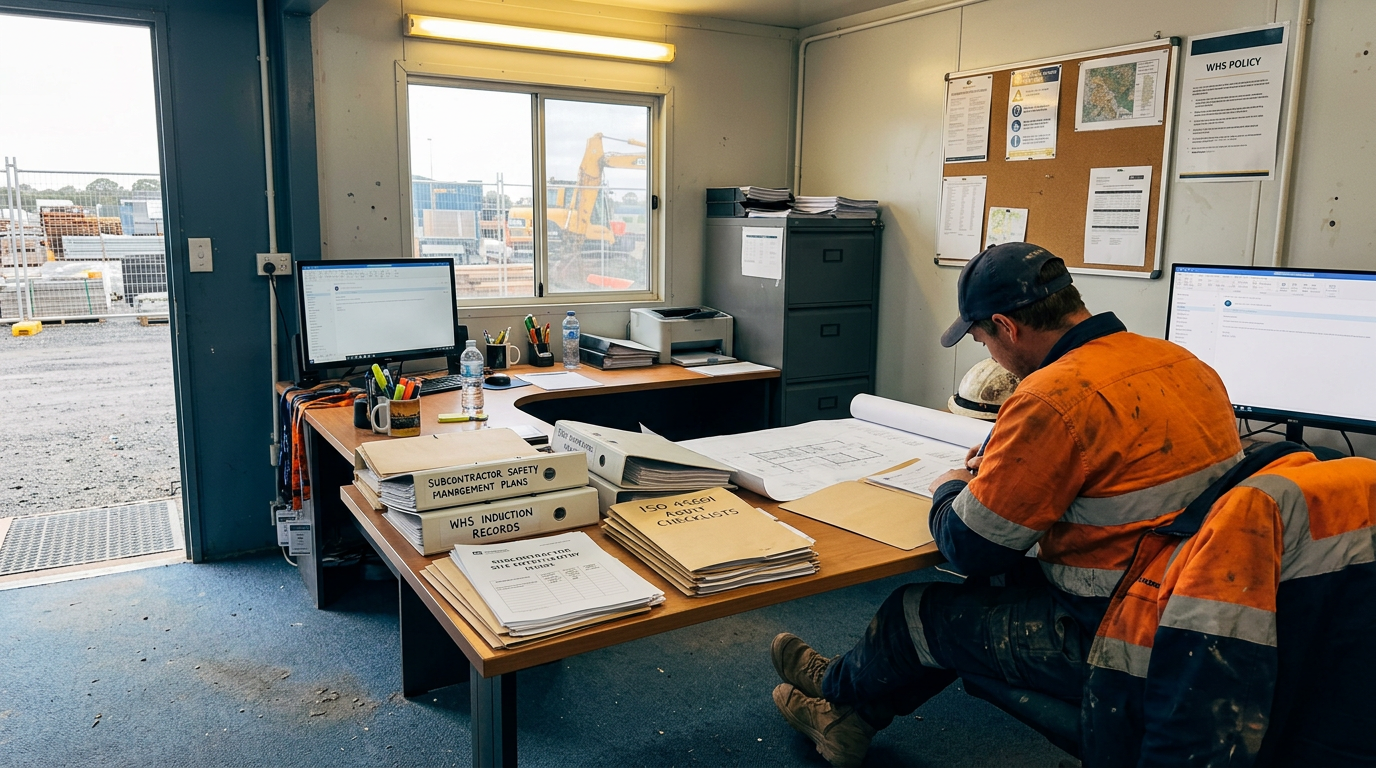
Ensuring sub-contractor compliance is key to a robust WHS management system and ISO 45001 certification.
For Tier-2 projects, this plan is the primary evidence of your safety strategy.
It must clearly define who has specific health and safety responsibilities on the site.
It also needs to detail the arrangements for consultation, cooperation, and coordination between different work groups.
This document is frequently audited by clients and SafeWork NSW inspectors.
Sub-contractor Management and Verification
Tier-2 builders rely heavily on specialised trades and sub-tier contractors.
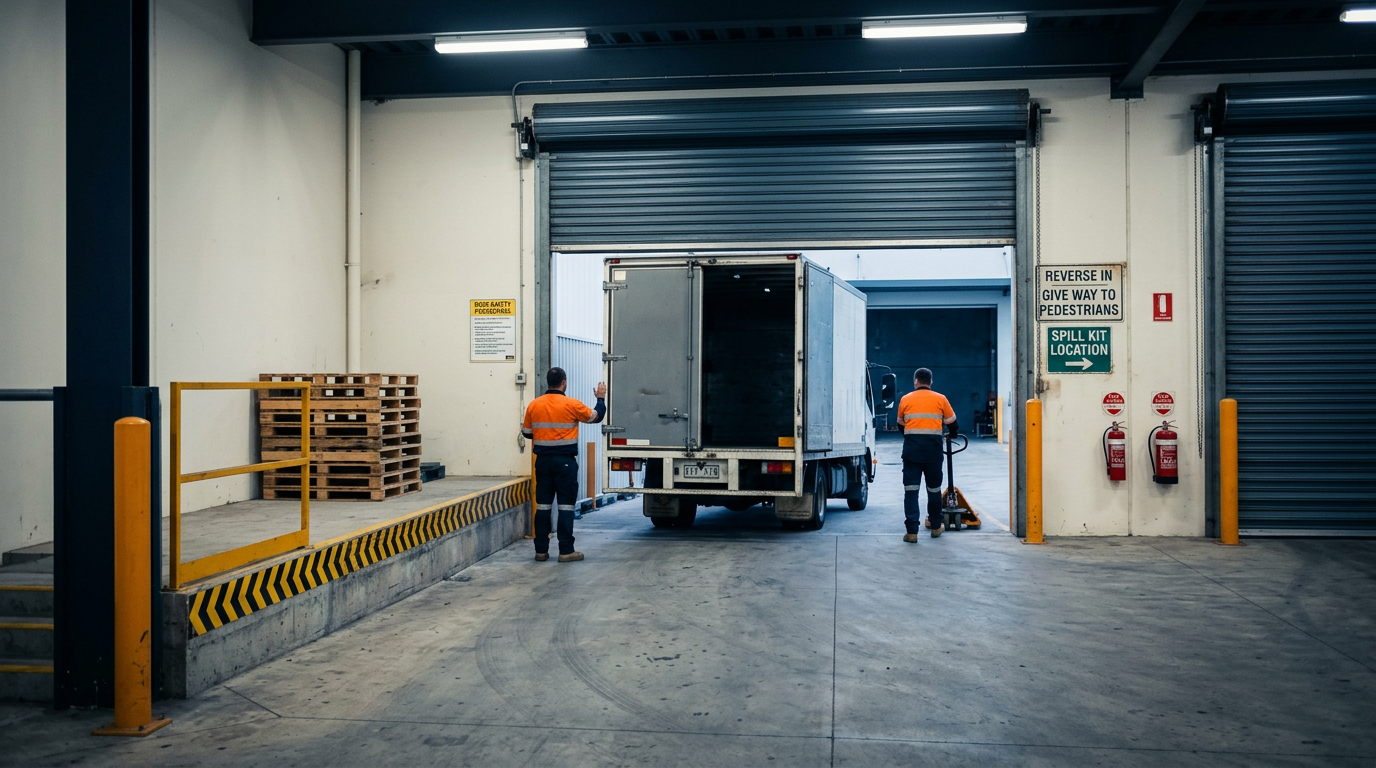
See how seamlessly integrating ISO standards enhances your commercial operations and WHS management.
This reliance makes a rigorous WHS Management Systems & Auditing process vital for overseeing sub-contractor performance.
You cannot simply collect a Safe Work Method Statement (SWMS) and file it away.
The law requires you to ensure the sub-contractor is actually following their stated safety controls.
Your system should include a permit to work process for high-risk tasks like hot work or confined space entry.
Regular site inspections and spot checks help verify that crews adhere to the safety controls nominated for your project.
Critical Elements for Sub-contractor Safety
- Pre-qualification through a formal safety performance review.
- Mandatory site inductions tailored to the specific project risks.
- Evidence of plant maintenance and operator competency records.
- Regular coordination meetings to discuss overlapping high-risk activities.
Performance Monitoring and Data Reporting
Modern Tier-2 builders are moving away from paper-based checklists.
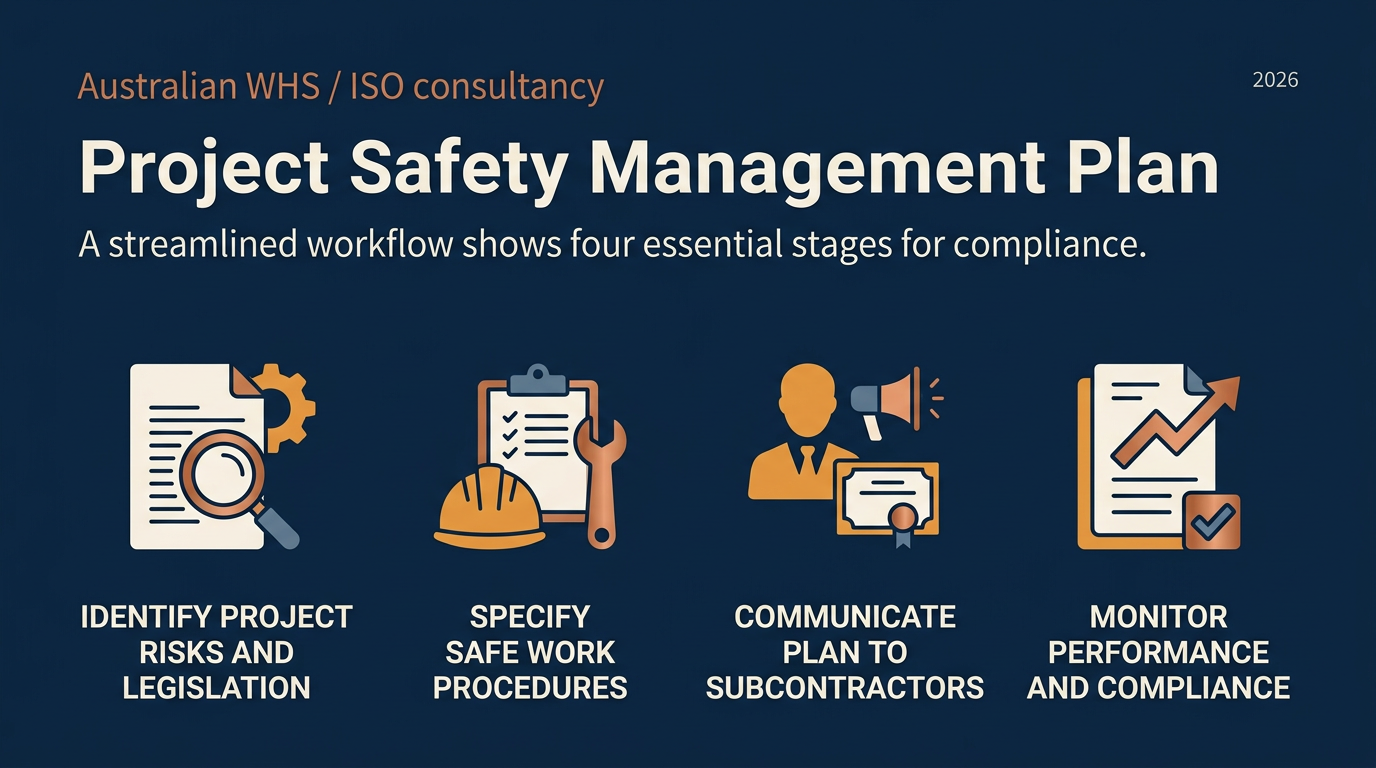
Outline the key steps in developing a robust project safety management plan for Australian construction.
Digital platforms allow for real-time monitoring of lead and lag indicators across your portfolio.
This data is crucial when presenting to boards or potential clients during the tender phase.
You need to demonstrate a low Total Recordable Injury Frequency Rate (TRIFR).
However, lead indicators like the number of completed safety audits or hazard reports are more valuable for prevention.
A Safety Management System overhaul often starts with digitising these reporting streams.
Maintaining Compliance Through Internal Auditing
Regular internal audits are the only way to ensure your system remains effective as the business grows.
An audit should look beyond the presence of documents to the quality of the content.
It should check if your workers understand the risks associated with their specific tasks.
If your site teams view safety as a box-ticking exercise, the system is failing.
Effective auditing in WorkSafe Victoria jurisdictions requires a deep understanding of the Compliance Codes.
These audits help identify gaps before they lead to an incident or a regulatory fine.
Practical Steps for System Improvement
Review your incident investigation process to ensure it identifies root causes rather than blaming individuals.
Update your risk register to include emerging risks like psychosocial hazards and crystalline silica exposure.
Ensure your leadership team is visible on site and actively participating in safety conversations.
This builds a culture where workers feel comfortable reporting hazards before they cause harm.
Finally, keep your system lean.
A 500-page manual that no one reads is less effective than a 50-page manual that is fully implemented on every site.
FAQ
Frequently asked questions
01How does the Office of the Federal Safety Commissioner (OFSC) affect Tier-2 builders seeking federal work?
02What are the common pitfalls Tier-2 builders face when implementing a new WHS management system?
03Can a WHS management system help improve a Tier-2 builder's insurance premiums?
04What's the difference between a WHS Management System and a Project Safety Management Plan?
Share this article
Get Expert Advice
Speak with a certified WHS consultant about your workplace.
Contact Usor call 1300 891 503