
What Are the 2 Types of Workplace Risk Assessment in Australia?
In today's dynamic work environment, understanding the ins and outs of workplace risk assessment in Australia is crucial for businesses and safety practitioners.
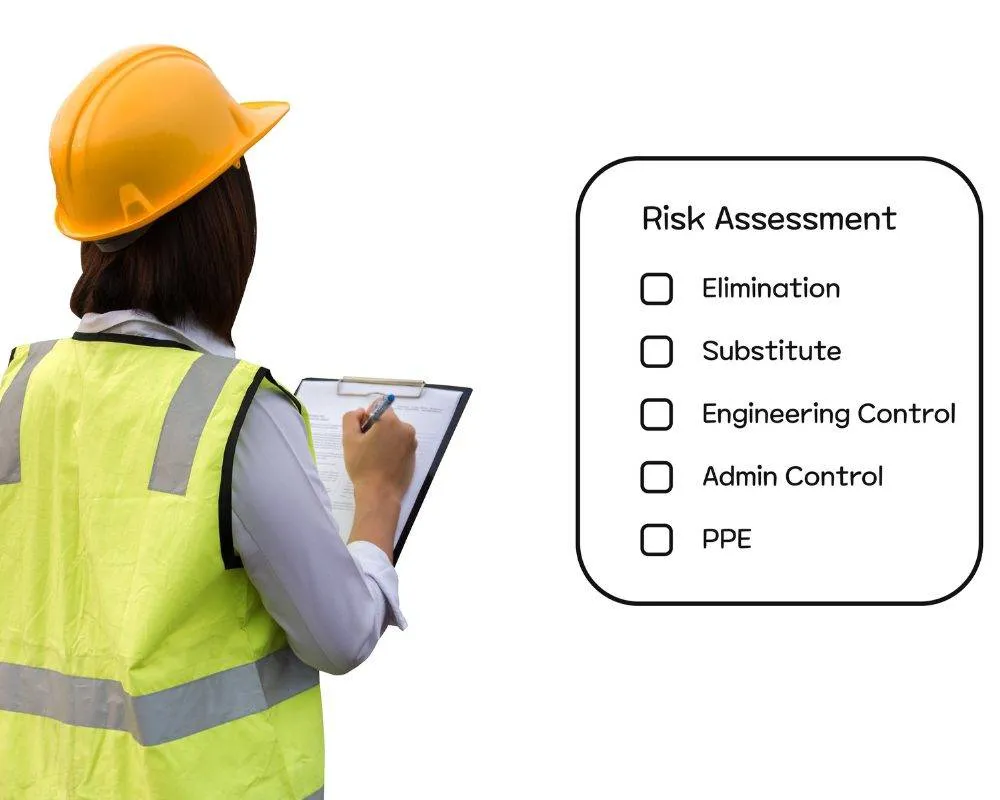
Navigating the Nuances of Workplace Risk Assessment in Australia
Introduction
In today's dynamic work environment, understanding the ins and outs of workplace risk assessment in Australia is crucial for businesses and safety practitioners. This comprehensive guide delves into the different types of risk assessments, highlighting key practices and legal requirements.
Key Takeaways
Understanding the Types: Learn about the primary types of risk assessments used in Australian workplaces.
Legal Compliance: Gain insights into the legal aspects and obligations related to risk assessment.
Practical Application: Tips and strategies for effective implementation of risk assessment practices.
What is Workplace Risk Assessment?
Workplace risk assessment is a systematic process used to identify potential hazards in the workplace, evaluate the likelihood and severity of harm, and implement appropriate controls to mitigate these risks. It's a legal requirement and a fundamental aspect of workplace safety in Australia.
Types of Risk Assessments in Australia
1. Qualitative Risk Assessment
This type involves subjective methods to assess risks based on observation and experience rather than hard data. It's generally faster and more adaptable to different situations.
2. Quantitative Risk Assessment
Quantitative assessment relies on numerical data to evaluate risks, offering a more precise and objective analysis. It's often used in industries with complex and high-risk operations.
The Legal Framework
Understanding the Work Health and Safety Act and regulations is critical for compliance and effective risk management in Australian workplaces.
Step-by-Step Guide to Conducting Risk Assessments
1. Hazard Identification
Identifying potential hazards is the first step in any risk assessment process.
2. Risk Analysis
Analyzing the nature and severity of identified hazards follows.
3. Implementing Controls
Deciding on and implementing appropriate control measures is crucial for mitigating risks.
Consulting with Workers
Involving employees in the risk assessment process ensures a more comprehensive approach and helps in identifying practical and effective controls.
Regular Review and Monitoring
Continuous monitoring and review of risk assessments ensure they remain effective and relevant, especially when changes occur in the workplace.
Cost-Benefit Analysis in Risk Controls
Balancing the cost of implementing controls against the potential harm they prevent is a key consideration in risk management.
Industry-Specific Assessments
Different industries have unique hazards and therefore require tailored risk assessment approaches.
Case Studies and Real-Life Examples
Illustrative examples from various industries provide practical insights into effective risk assessment processes.
Emergency Planning and Risk Assessment
Incorporating emergency response into risk assessments ensures preparedness for unexpected situations.
Training and Development
Ongoing training is vital for keeping staff updated on risk assessment practices and safety protocols.
Risk Assessment Tools and Techniques
Explore various tools and methodologies used in conducting workplace risk assessments.
Record Keeping and Reporting
Maintaining records of risk assessments and control measures is vital for compliance and future reference.
Advice & Actionable Tips
Engage Employees: Involve workers in the risk assessment process for better outcomes.
Stay Informed: Keep up-to-date with industry standards and legal requirements.
Use Technology: Leverage digital tools for more efficient and accurate risk assessments.
Continuous Improvement: Regularly review and update your risk assessment processes.
FAQ Section
What is the main purpose of workplace risk assessment?
To identify potential hazards and implement controls to reduce the risk of harm in the workplace.
How often should risk assessments be reviewed?
Regularly, and especially when there are changes in the workplace or work practices.
Conclusion
Effective workplace risk assessment is critical for ensuring a safe and compliant work environment in Australia. By understanding and implementing the right strategies, businesses can significantly reduce workplace hazards and protect their employees.
Article Sources & Further Reading:
Share this article
Get Expert Advice
Speak with a certified WHS consultant about your workplace.
Contact Usor call 1300 891 503