
Training Employees on Chemical Safety In Australia
In the current complex landscape of chemical handling and management, ensuring the safety of employees is paramount. For many Aussie employees, comprehending the potential hazards and learning the safe handling, use, and disposal of these substances is both vital to ensure their safety, but also a PCBU legal obligation.
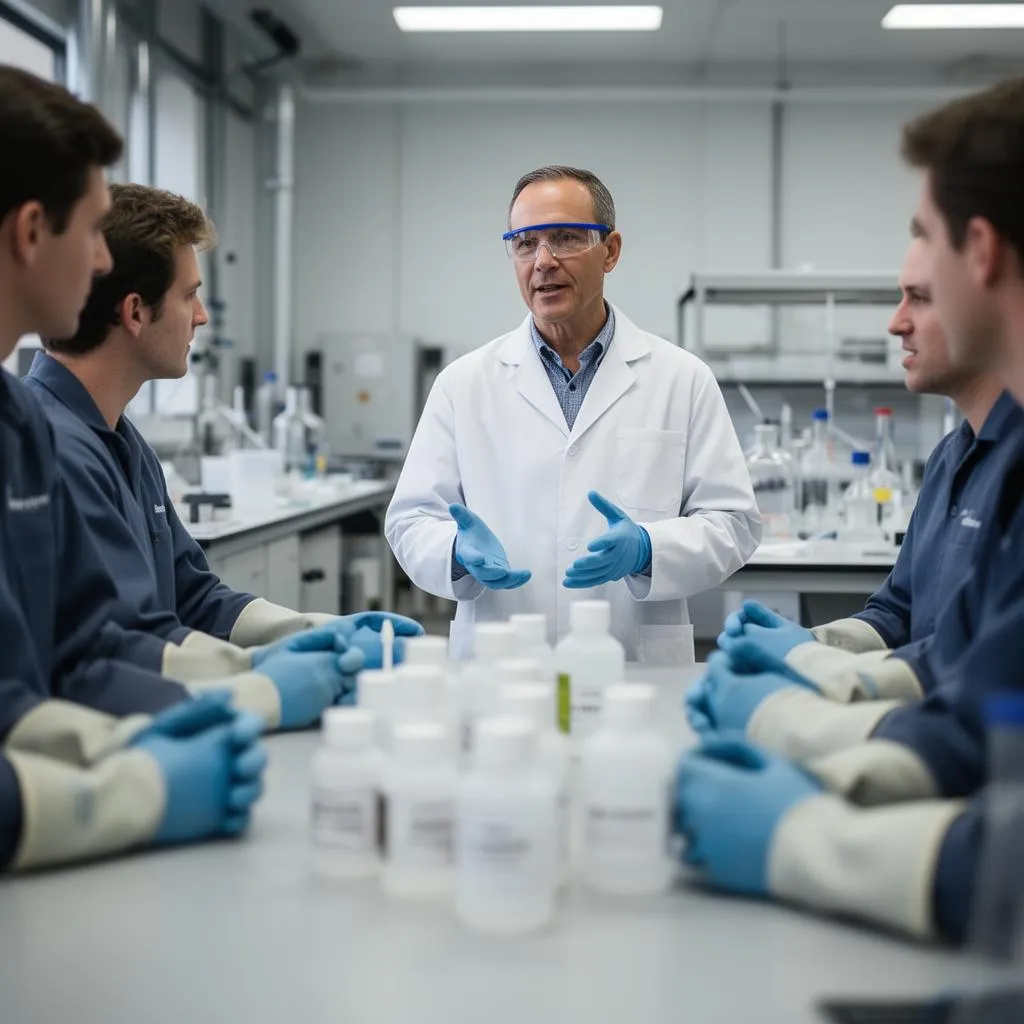
In the current complex landscape of chemical handling and management, ensuring the safety of employees is paramount.
For many Aussie employees, comprehending the potential hazards and learning the safe handling, use, and disposal of these substances is both vital to ensure their safety, but also a PCBU legal obligation.
In this article, we will explore the importance of chemical safety training and discuss some key concepts on how to undertake this training in the work environment.
The Importance of Chemical Safety in Australian Workplaces
It's no secret that chemicals pose inherent dangers. From a young age, we are taught to avoid touching the chemicals in the laundry, to not ingest household cleaners, wear gloves while using cleaning agents, and to recognise the warnings on product labels.
As we grow older, we encounter more complex substances in various settings, including workplaces where industrial chemicals are prevalent.
Given workplace chemical exposure can cause acute health effects (like respiratory irritation, nausea, and vomiting), as well as chronic conditions such as respiratory disease, cancer, and organ damage, prioritising chemical safety is essential.
In addition to the effects on human health, chemicals pose hazards and risks to various other aspects, including their impact on:
The environment,
Wildlife,
Culture, and
The economy.

Key Components of Chemical Safety Training
Providing employees with knowledge through Employee Chemical Training isn't merely a regulatory requirement—it's essential for ensuring safety and preventing avoidable risks. Neglecting this training can have serious consequences.
Proper training equips employees with the skills and awareness needed to handle chemicals safely, recognise potential hazards, and respond effectively in emergencies. Below are some key components that can be included in any training program.
Understanding Chemical Properties: Employees should be educated about the various types of chemicals they may encounter, including:
Physical and chemical properties,
Risks and hazards, and
Safety data sheets (SDS).

Safe Handling and Storage Practices: Training should cover best practices for handling and storing chemicals safely. This includes:
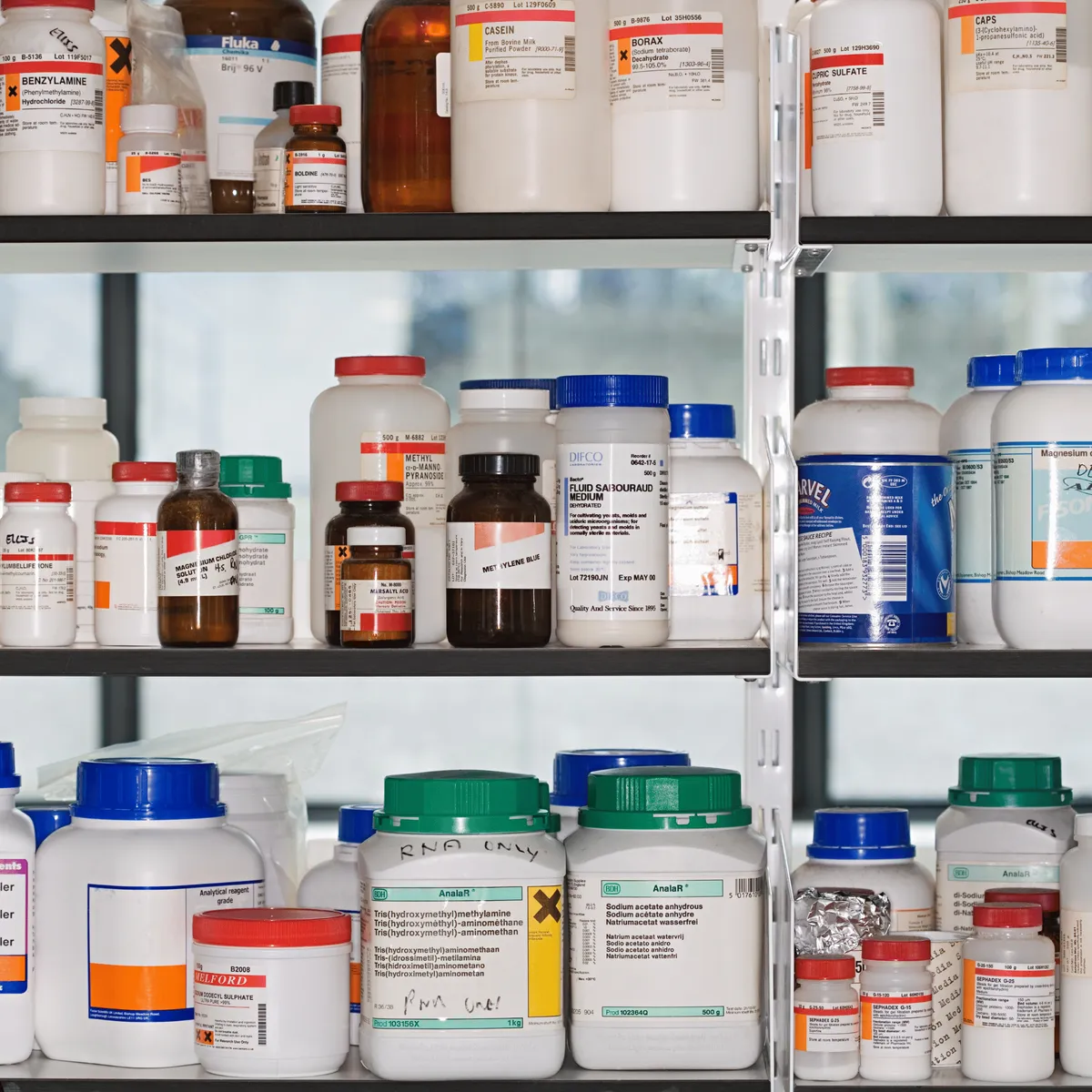
Understanding proper labelling,
The use of appropriate containers, and
The significance of using designated storage areas to prevent contamination and accidents.
READ Hazardous Chemicals and Their Risks In Australia
Personal Protective Equipment (PPE): Employees must be trained on the appropriate use of personal protective equipment, such as:
Gloves,
Goggles, and
Respirators.
Understanding when and how to use PPE is also required for minimising exposure and protecting health.
Emergency Response Procedures: Effective training should include protocols for responding to incident such as:
Chemical spills,
Leaks, or
Exposure.
Employees should be familiar with emergency procedures, including evacuation plans, reporting protocols, and the use of safety showers and eyewash stations.
Risk Assessment and Management: Training should also focus on:
Identifying potential hazards,
Conducting risk assessments, and
What to do if risks and hazards are identified.
Legal and Regulatory Compliance: It's essential for employees to understand the legal obligations surrounding chemical safety, including compliance with:
The Australian Dangerous Goods (ADG) Code,
Work Health and Safety (WHS) regulations, and
The Poisons Standard.
This knowledge helps foster a culture of accountability and responsibility.
Chemical Safety Continuous Education and Improvements
Chemical safety training should not be a one-time event. Regular refresher courses and updates on new regulations, products, and safety practices is required to ensure that employees remain informed and vigilant.
Ongoing training initiatives can include items such as:
Periodic refresher courses,
Updates on regulation,
Safety drills and simulations,
Introduction of new products, and/or
Updates on chemical impacts to the workplace or environment.
Chemical Safety Training Compliance
In Australia, chemical safety training is mandated under WHS Regulations to protect workers from hazardous chemicals risks.
Neglecting this training can lead to serious consequences, including:
Workplace accidents,
Health issues, and
Environmental damage.
By prioritising comprehensive chemical safety training, organisations can ensure a culture of safety, protect their workforce, and comply with Australian regulations.
Chemical Safety Training Resources
There are a variety of resources available for chemical safety training, both online and in-person, aimed at helping organisations meet regulatory requirements and ensure safe practices in handling hazardous substances. Here are some key resources for chemical training in Australia:

Safe Work Australia
Website: www.safeworkaustralia.gov.au
Safe Work Australia provides a range of guides, fact sheets, and model Codes of Practice related to chemical safety, hazardous substances, and dangerous goods. They offer resources on proper chemical management in the workplace, including tools for risk assessment and compliance with WHS regulations.
READ Hazardous Chemicals in the Workplace: Managing Your Risks

Chemwatch
Website: www.chemwatch.net
Chemwatch offers comprehensive chemical management software and services, including Safety Data Sheets (SDS), training resources, and chemical safety courses. They provide online training modules that focus on chemical safety, SDS management, and regulatory compliance.

Australian Institute of Health and Safety (AIHS)
Website: www.aihs.org.au
AIHS provides professional development courses, workshops, and certifications on workplace health and safety, including chemical safety. They offer both online and in-person training programs to help businesses and professionals improve their safety practices.
WorkSafe Australia (State-based Work Health and Safety Regulators)
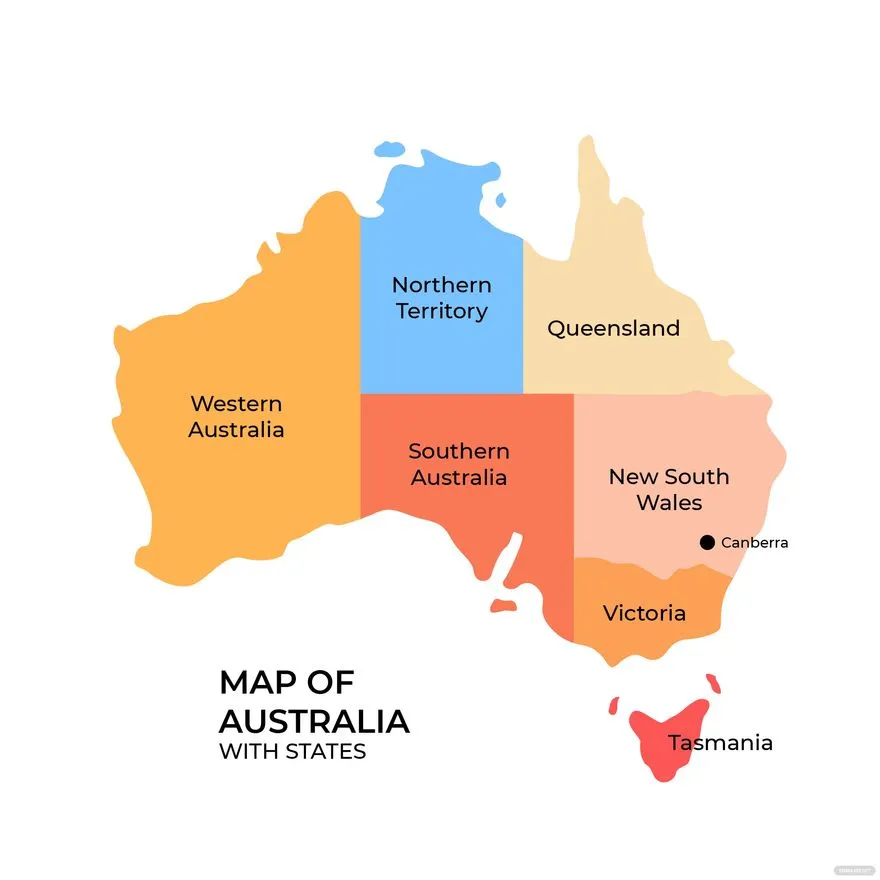
Website: Each Australian state and territory have their own WHS regulator, which offers chemical safety training resources, guides, and compliance information. For example:
Victoria: worksafe.vic.gov.au
Queensland: worksafe.qld.gov.au
New South Wales: safework.nsw.gov.au
South Australia: https://www.safework.sa.gov.au/
Tasmania: https://www.worksafe.tas.gov.au/
Western Australia: https://www.commerce.wa.gov.au/worksafe/
Northern Territory: https://worksafe.nt.gov.au/

TAFE and Registered Training Organizations (RTOs)
Many TAFEs and RTOs across Australia provide accredited courses in chemical safety and handling. These programs often cover hazardous materials management, WHS training, and chemical risk assessment.
FAQ
What is the significance of chemical safety training in the workplace?
Chemical safety training is crucial for ensuring the health and safety of all employees who work with hazardous materials. It is a legal requirement under Australian WHS Regulations that aids in understanding chemical hazards, proper handling, and regulatory compliance.
How does chemical safety training benefit Australian workplaces?
Benefits include:
Improved risk management,
Adherence to safety protocols,
Reduced health risks, and
Ensuring compliance with Australian Safety Standards.
What key elements should be included in chemical safety training?
Training should cover items such as:
Hazard identification,
Understanding chemical properties,
Risk assessment procedures,
Legislative responsibilities,
Correct PPE usage,
Reading SDS and labels,
Understanding incompatible materials, and
Handling emergency situations.
Article Sources and Further Reading
Managing risks of hazardous chemicals in the workplace Code of Practice 2021
5 Essentials to include in your chemical safety training program
Emergency Evacuation Procedure for Workplaces with Hazardous Chemicals
Creating a Chemical Spill Response Plan: A Step-by-Step Guide
How to Control Chemical Hazards in the Workplace
Hazardous substances health and safety guide | WorkSafe Victoria
Share this resource
Need Help?
Our WHS consultants can help you implement this in your business. Book a free consultation today.
Book a Consultationor call 1300 156 382