
Plant WHS Regulations: A Summary
Plant (in particular, mobile plant) is one of the leading causes of death in the workplace. Keep reading to learn the plant WHS regulations in Australia.
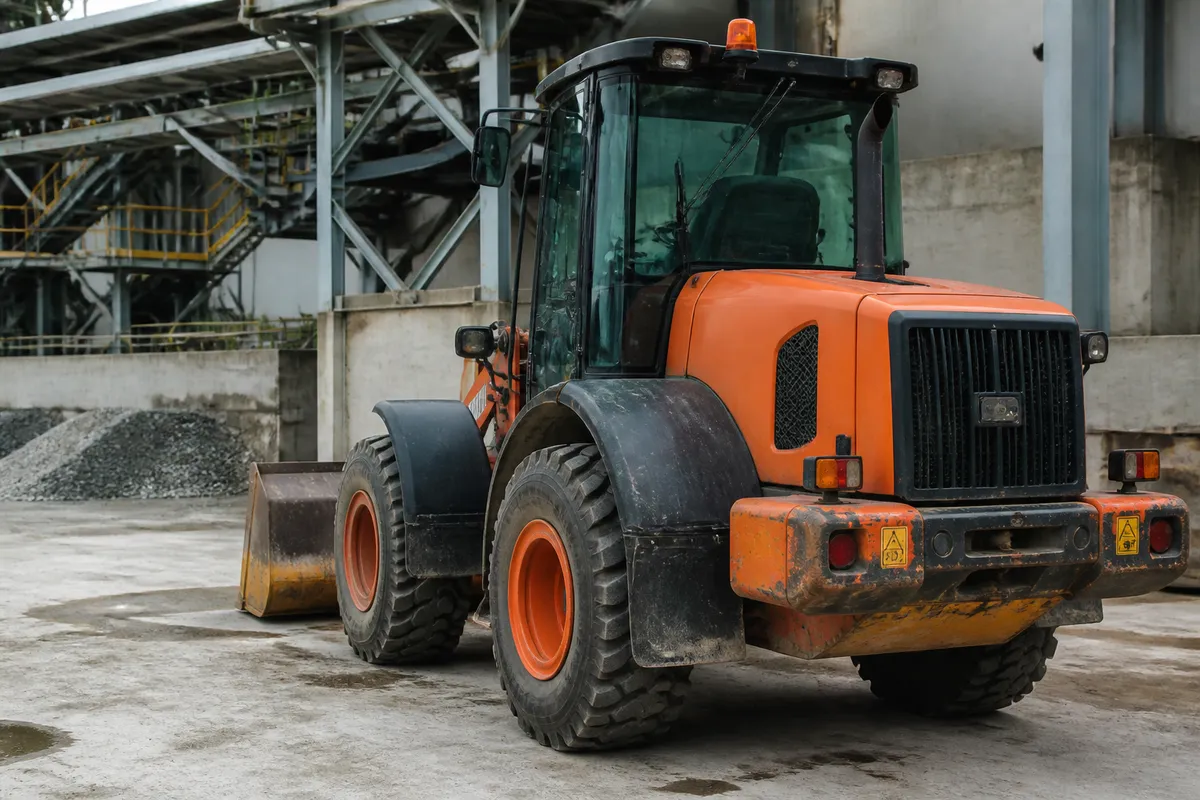
Plant Registration Requirements
In Australia, certain types of plant are classified as 'registrable plant' and must be registered with the relevant WHS regulator before they can be used. This requirement is generally based on the plant's design, inherent risks, or specific characteristics. Registration ensures that high-risk plant meets specific safety standards and has been inspected.
Examples of registrable plant often include pressure equipment (boilers, pressure vessels), cranes, hoists, lifts, and amusement devices. The specific criteria for registration, including thresholds like capacity or hazard levels, can vary slightly between states and territories. It is crucial for PCBUs to consult their local WHS regulator's guidelines to determine if their plant requires registration.
Registration typically involves providing documentation such as design verification reports, manufacturing data reports, and evidence of periodic inspection. Operating registrable plant without valid registration is a breach of WHS laws and can result in significant penalties.
Video walkthrough
Plant WHS Regulations: A Summary

Plant (in particular, mobile plant) is the one of the leading causes of death in the workplace. Keep reading to learn the plant WHS regulations in Australia.
Definition of Plant
The definition of plant from the WHS regulations includes "machinery, equipment, appliances, containers, implements and tools…".
Some examples could be:
- Mobile plant (e.g. forklifts)
- Vehicles
- Power tools
Hand tools that are not powered (e.g. hammers) are not included in this definition.
Hazards Associated with Plant
Many types of plant pose serious risks to health and safety. If left uncontrolled, these hazards can result in serious or fatal injuries.

Hazards posed by plant can include:
- Crush / Pinch Injuries
- Vibration
- Suspended Loads (for lifting plant)
- Electrocution / Electrical Hazards
- Rollover (for mobile plant)
- Vehicle Collision
- Burns
- Hearing Damage
- Fire
Legislative Requirements
Plant in the WHS Act
The primary legal requirements for plant are outlined in the act, and these are:
- WHS Act s(19)(3)(b) – Duty to Provide Safe Plant
- WHS Act s(19)(3)(d) – Duty to Ensure Safe Use of Plant
The following sections could also apply to plant:
- WHS Act s(19)(3)(c) – Duty to Provide Safe System of Work
- WHS Act s(19)(3)(f) – Duty to Provide Adequate Information, Training, Instruction and Supervision
Plant in the WHS Regulations
There are many sections in the regulations that relate to PCBUs that manage or control plant, including:
- WHS Regulation s(203) Management of risks to health and safety
- WHS Regulation s(204) Control of risks arising from installation or commissioning
- WHS Regulation s(205) Preventing unauthorized alterations to plant
- WHS Regulation s(206) Proper use of plant and controls
- WHS Regulation s(207) Plant not in use
- WHS Regulation s(208) Guarding
- WHS Regulation s(209) Guarding and insulation from heat and cold
- WHS Regulation s(210) Operational controls
- WHS Regulation s(211) Emergency stops
- WHS Regulation s(212) Warning devices
- WHS Regulation s(213) Maintenance and inspection of plant
There are also legal duties for PCBUs that design, import or supply plant are, including the following.
- WHS Act s(22) Duties of persons conducting businesses or undertakings that design plant, substances or structures
- WHS Act s(23) Duties of persons conducting business or undertakings that manufacture plant, substances or structures
- WHS Act s(24) Duties of persons conducting businesses or undertakings that import plant, substances or structures
- WHS Act s(25) Duties of persons conducting businesses or undertakings that supply plant, substances or structures
- WHS Act s(26) Duties of persons conducting businesses or undertakings that install, construct or commission plant or structures
In general, PCBUs are required to manage the risk of plant ALARP.
Managing Risk of Plant Code of Practice
There is a code of practice Managing risks of plant in the workplace. This code includes guidance on risk management, recommended controls and record keeping.
Australian Standards
There are Australian Standards for many types of plant. In general, businesses should ensure that their plant meets the requirements outlined within the standard. If you have purchased the plant in Australia, it should meet the Australian Standard. PCBUs need to be cautious when buying plant from overseas (e.g. importing plant) as often these machines don't meet Australian Standards.
Safe Work Method Statements
In the construction industry, use of mobile plant is considered "high-risk construction work". We have a detailed guide on SWMS and high-risk construction work .
Plant Risk Assessments
Plant risk assessments are commonly completed to assist in the management of plant risks. We supply various risk assessment templates in our free resources section – Plant Risk Assessments.
How to Control Plant WHS Risks
As with all WHS risks, the hazard should be managed in accordance with the Hierarchy of Controls, with levels of protection higher in the hierarchy preferred over lower levels.

Some potential risk control measures for managing WHS hazards associated with plant in the workplace include:
- Providing Information – Ensuring workers are provided with the operator's manual, SWMS / SOPs and risk assessments.
- Consulting with Workers – Ensuring workers are consulted in relation to the risks posed by plant and allowing workers to take part in the risk management process.
- Instruction, Supervision and Training – Ensure workers have High-Risk Work Licences where required or RTO / VOC training for other plant and adequate supervision is provided for new or inexperienced workers.
- Maintenance – Ensuring plant is well maintained and no unsafe or illegal adjustments are made.
- Guarding – Ensuring adequate guarding is installed.
- Emergency Stops – Ensuring emergency stops are installed.
- Warning Devices – Ensuring warning devices are installed (e.g. flashing lights, reverse beepers).
- Isolation Points – Ensuring isolation points are provided and functional.
- Storage – Ensuring plant is stored in a safe manner.
- Spotters – Ensuring spotters are provided when plant is operating in high-traffic areas or near power lines
FAQ
Frequently asked questions
01What is plant?
02What is not plant?
03What hazards are involved in plant operation?
04Do you need a license to operate plant or equipment?
05What are the main duties for PCBUs regarding plant?
06Who has duties related to the design and supply of plant?
Share this resource
Need Help?
Our WHS consultants can help you implement this in your business. Book a free consultation today.
Book a Consultationor call 1300 156 382